
Muscle tightness, recurring aches, and movement restrictions can make everyday tasks more difficult than they need to be. Whether discomfort comes from sports, work, long hours at a desk, or repetitive activities, finding an approach that supports recovery is often a priority. One technique that many people explore alongside physiotherapy is Dry Needling.
At Ellerslie Physiotherapy & Wellness in Edmonton, an assessment may lead to the inclusion of this technique in a broader physiotherapy plan. While individual outcomes vary, many people report improvements in muscle tension, movement, and day-to-day comfort following treatment.
In this article, we'll look at nine benefits commonly linked with Dry Needling, explain why many people consider it for muscle tightness, discuss how it may support everyday movement, and answer frequently asked questions.
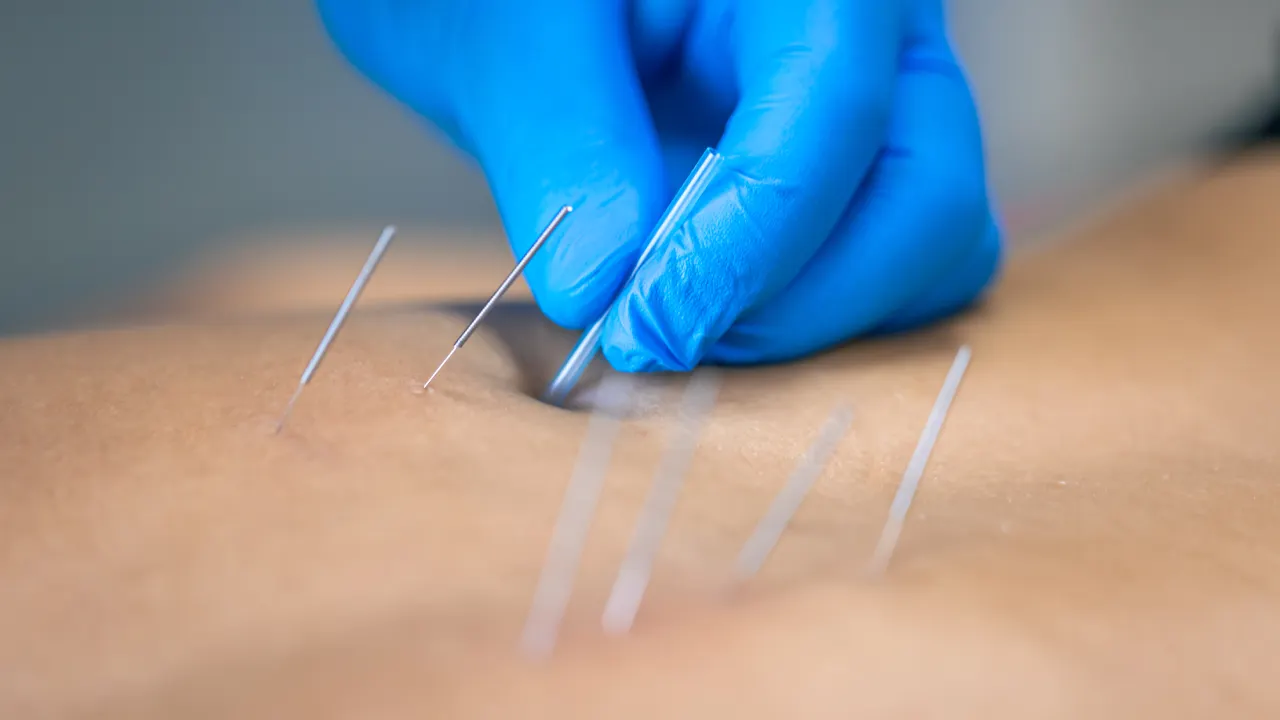
Dry Needling is a physiotherapy technique that involves inserting thin, sterile needles into specific muscle trigger points or areas of tension. The goal is to encourage the affected muscle to relax, reduce sensitivity, and improve movement.
Unlike acupuncture, which is based on traditional Chinese medicine principles, this technique is rooted in modern anatomy, muscle function, and clinical assessment. Physiotherapists use it alongside exercise, manual therapy, and movement education rather than as a standalone approach.
One of the primary reasons people seek Dry Needling is persistent muscle tightness. Tight muscles can restrict motion, create discomfort, and affect daily activities.
Trigger points within muscles may contribute to stiffness. When these areas are addressed, the muscle may gradually become less tense, allowing smoother movement and greater comfort during routine tasks.
Restricted movement often develops when muscles remain tight over time. Limited flexibility may affect the shoulders, hips, neck, back, or legs.
By targeting muscles that contribute to movement restrictions, treatment may support improved joint mobility. This can make activities such as reaching overhead, bending, walking, or climbing stairs feel more natural.
Trigger points are small areas within muscles that may become irritated or sensitive. These areas can sometimes create discomfort locally or in nearby regions.
Addressing these points may decrease their sensitivity, allowing muscles to function more comfortably during movement and exercise.
Healthy muscles work together efficiently. When certain muscles become tight or overactive, others may compensate, leading to altered movement patterns.
Reducing excessive muscle tension may help muscles work more effectively, allowing the body to move with improved coordination during everyday activities.
Exercise often plays an important role in physiotherapy. However, muscle tightness can sometimes make strengthening or stretching exercises difficult.
When muscle tension decreases, individuals may discover it easier to participate in prescribed rehabilitation exercises, making progress toward their movement goals more manageable.
Sports, fitness routines, and physically demanding jobs may leave muscles feeling tight or fatigued.
Some active individuals include Dry Needling within their rehabilitation plan because it may assist with restoring normal muscle function following repetitive physical activity. It is commonly combined with stretching, strengthening, and movement retraining.
Simple activities such as sitting, standing, lifting groceries, or carrying children can become uncomfortable when muscles remain tense.
Reducing muscle tightness may make these routine tasks easier by allowing muscles to move more freely throughout the day.
Physiotherapy is not only about treatment sessions. It also focuses on helping people understand how posture, movement habits, and exercise influence muscle health.
When muscle tension decreases, patients may find it easier to learn new movement strategies recommended by their physiotherapist, encouraging more efficient movement patterns over time.
Many musculoskeletal concerns involve multiple contributing factors rather than a single cause.
For this reason, physiotherapists may include Dry Needling alongside manual therapy, mobility exercises, strengthening programs, education, and home exercises. This combined approach addresses both muscle tension and movement mechanics.
Persistent muscle tightness is one of the most common reasons people visit a physiotherapy clinic. Tight muscles can affect posture, flexibility, athletic performance, workplace comfort, and routine daily activities.
Muscle tightness often develops because of:
When muscles remain tight, they may develop trigger points that reduce flexibility and contribute to discomfort.
First, a physiotherapist performs a detailed assessment to determine whether this technique is appropriate for your condition. If suitable, the treatment targets specific muscles contributing to restriction.
Many people notice temporary muscle twitch responses during treatment. These responses are considered a normal reaction as the targeted muscle relaxes.
Following treatment, patients are commonly encouraged to stay hydrated, continue gentle movement, and perform prescribed exercises to maintain mobility improvements.
For many individuals experiencing muscle tightness, combining treatment with stretching, strengthening, and movement education may support improved muscle function and daily mobility.
Everyday movement involves much more than sports or exercise. Routine activities depend on muscles working together efficiently.
When muscles become tight, simple actions may feel more difficult than expected. Turning your head while driving, bending to tie your shoes, reaching into cupboards, lifting laundry baskets, or walking around the neighborhood all require coordinated muscle function.
Dry Needling may support everyday movement in several ways:
Tight calf muscles, hip muscles, or hamstrings can influence walking mechanics. Addressing muscle tension may help restore smoother movement patterns.
Office workers often develop tight hip flexors, neck muscles, or lower back muscles after prolonged sitting.
Reducing muscle tension may improve comfort during transitions between sitting and standing.
Daily activities such as reaching shelves, dressing, lifting bags, or carrying groceries require shoulder mobility.
When shoulder muscles move more freely, these routine tasks may become easier to perform.
Vacuuming, gardening, cooking, cleaning, and carrying household items all rely on coordinated muscle activity.
Improved muscle flexibility may allow these movements to feel less restricted.
Many Edmonton residents enjoy walking trails, cycling, recreational sports, fitness classes, and outdoor activities throughout the year.
Supporting healthy muscle movement may help individuals participate more comfortably in recreational activities as recommended by their physiotherapist.
If your physiotherapist recommends this technique, the appointment typically begins with a thorough assessment of your symptoms, movement patterns, and muscle function.
Very thin sterile needles are then inserted into selected muscles. The insertion itself is usually brief, although some muscles may produce a small twitch response.
After treatment, mild soreness for one or two days is not uncommon. Gentle movement, hydration, and following your physiotherapist's recommendations can help during this period.
Each treatment plan is individualized according to the person's assessment findings, goals, and overall physiotherapy program.
Although many people may benefit from this technique, it is not suitable for every situation.
Your physiotherapist will review your medical history, current symptoms, medications, pregnancy status, skin health, and other factors before recommending treatment.
The decision to include Dry Needling always depends on a professional clinical assessment rather than using the technique routinely for every patient.
If you're looking for physiotherapy services in Edmonton, Ellerslie Physiotherapy & Wellness focuses on helping patients improve movement and return to everyday activities with confidence.
Every assessment begins with understanding your symptoms, movement limitations, and goals. Treatment plans may combine manual therapy, exercise, mobility work, education, and, when appropriate, Dry Needling to address muscle tightness and movement restrictions.
The clinic works with individuals experiencing sports injuries, workplace discomfort, postural issues, muscle tension, and other musculoskeletal conditions while emphasizing active rehabilitation and ongoing progress.
Most people experience only mild discomfort during treatment. Some muscles may produce a brief twitch response, followed by temporary soreness that usually settles within a day or two.
The number of sessions depends on your condition, symptoms, activity level, and response to treatment. Your physiotherapist will recommend a plan based on your assessment.
No. Although both techniques use thin needles, they are based on different principles. Physiotherapists use Dry Needling to address muscle trigger points and movement-related concerns.
Yes. It is commonly used alongside strengthening exercises, stretching, manual therapy, and movement education as part of a physiotherapy treatment plan.
People experiencing muscle tightness, trigger points, sports-related muscle tension, movement restrictions, repetitive strain, or postural discomfort may be candidates. A physiotherapy assessment is the best way to determine whether the technique is appropriate.
Muscle tightness doesn't have to limit your daily routine or recreational activities. If stiffness, trigger points, or movement restrictions are affecting your quality of life, a physiotherapy assessment can help determine whether Dry Needling is an appropriate option for your needs.
Book an appointment with Ellerslie Physiotherapy & Wellness in Edmonton today and take the first step toward moving with greater ease. The clinic's team can assess your condition,discusssuitable treatment options, and create a physiotherapy plan that supports your movement goals.
Copyright 2026 Ellerslie Physiotherapy & Wellness. All Rights Reserved. Designed & Developed By CONVIRZON